
Faces
A face is one of the printed designs a floor is made with. It is the reason a finished floor looks like a floor and not like the same picture repeated across a room. This guide covers what the number means, how faces are made, and why a box often holds more of them than the number says.
Download as PDFWhat the number buys you
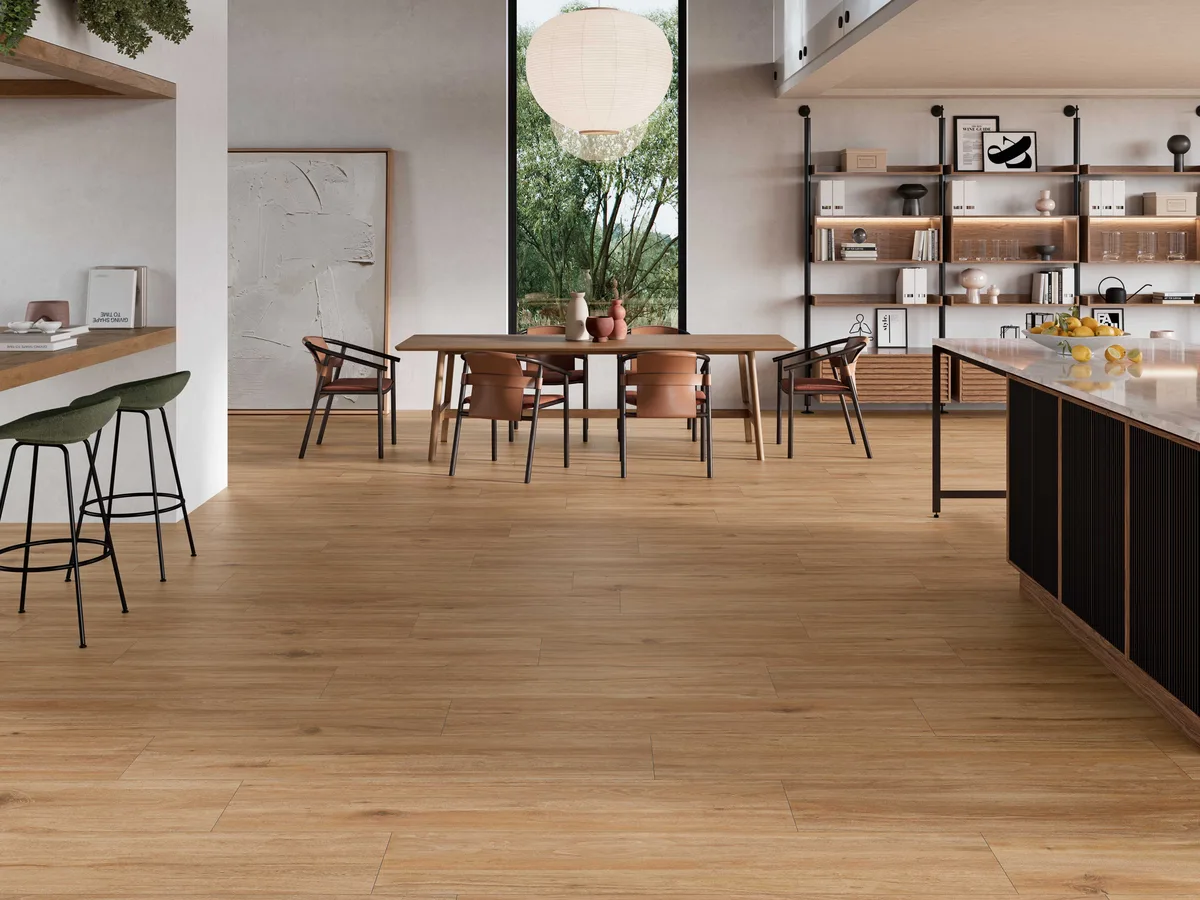
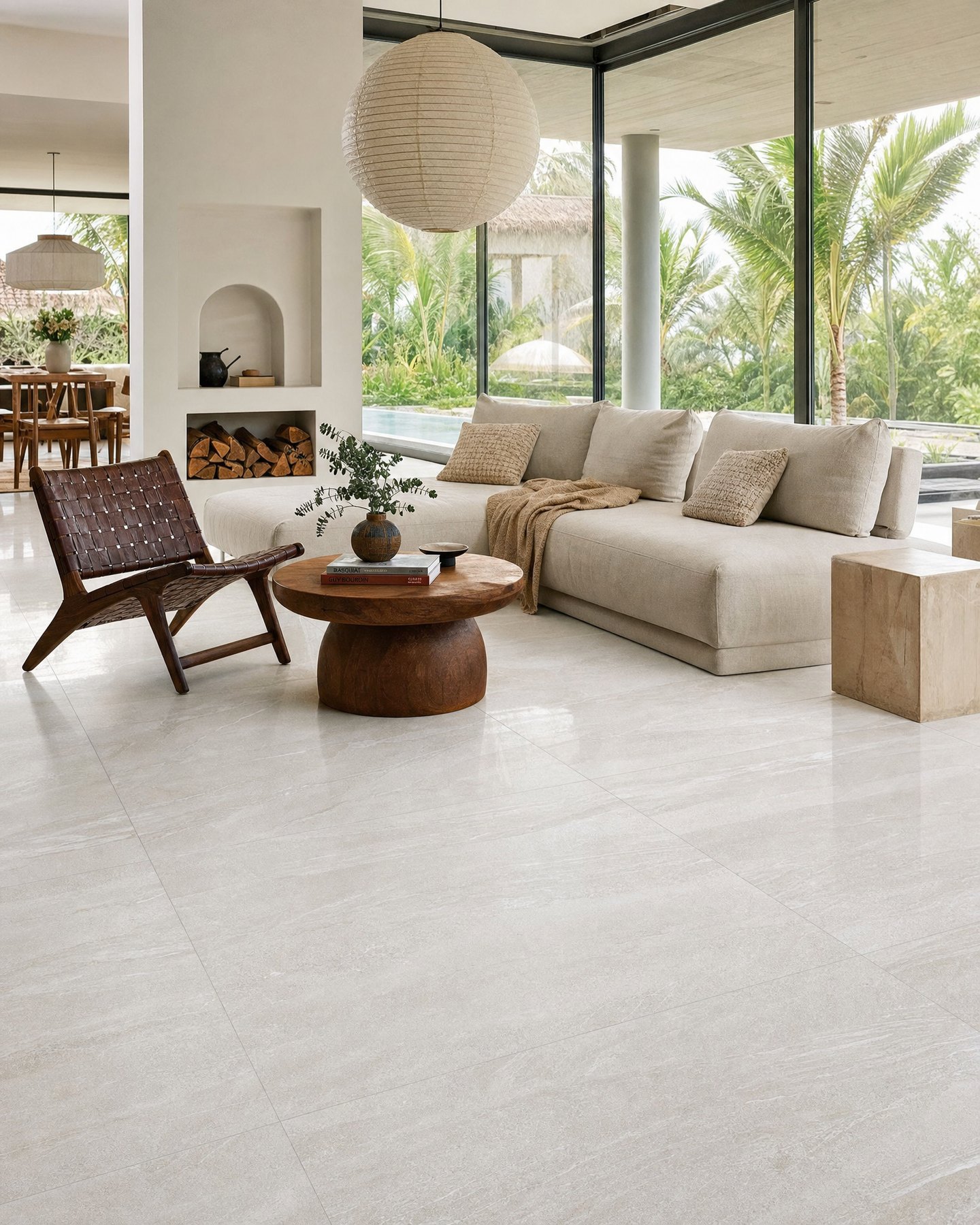
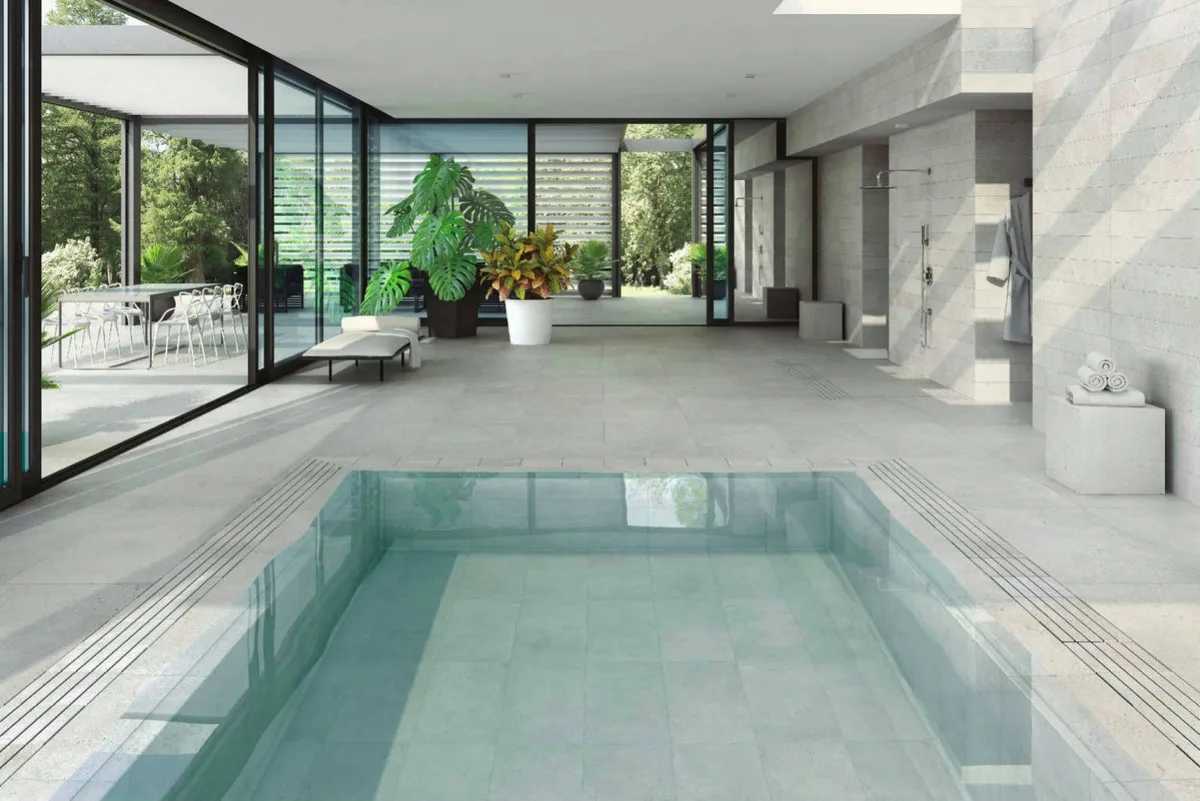
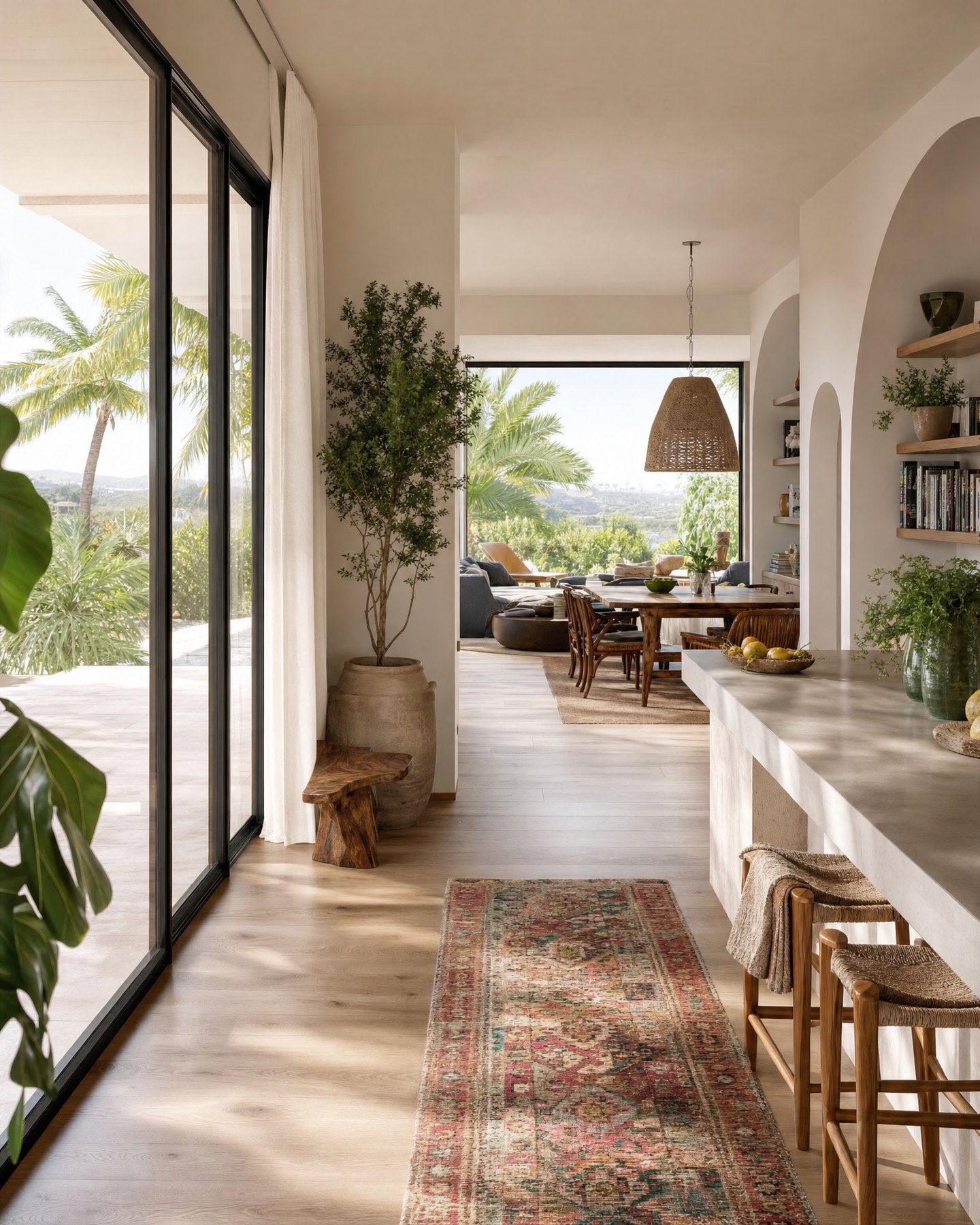
Three floors of the same stone look tile. The only difference between them is how many faces the run was printed with. The first uses one, and the eye finds the repeat almost at once. By twelve the pattern has gone and what is left reads as stone.
Every piece is the same picture. The grid arrives before the material does, and no layout hides it.
Better, and still readable. Four pieces in, the sequence starts again, and a large room will show it.
The repeat is now far enough apart that the floor reads as one surface of stone rather than as a printed pattern.
What a face is
One design, printed onto the piece. Nothing more complicated than that.
A face is one picture. A floor is many.
Natural stone and wood never repeat, so a floor that imitates them has to carry enough different pictures that the eye stops finding the pattern. The face count is how a factory tells you how many it used. It is printed on the technical sheet, and on every product page here.
A single face
Plain colors, concrete looks and small formats often need only one. There is no grain to repeat, so nothing gives it away.
The usual range
Enough for a room to read as material. This is where most wood and stone looks sit.
The high end
Large marble looks and premium ranges run to forty, sixty, sometimes near seventy faces, and a repeat becomes very hard to find.
How a face is made
Two processes, two different answersPrinted piece by piece
The tile is pressed to its finished size first, then travels on a belt under digital print heads that lay the design straight onto it. The press comes before the picture.
Because the design is a file rather than a physical screen, the printer can work through a large library of faces and vary them piece to piece. Digital printing is what pushed face counts from a handful into the dozens.
Printed on a running film
A plank is a sandwich, and one layer of it is a printed film. That film is printed continuously by engraved cylinders, in a long roll, before any plank exists.
The roll is then pressed onto the core and cut into planks. The picture comes before the plank, and that ordering is what makes the next section possible.
Why a plank floor gives you more
The film repeats on one length. The plank is cut on another. Because the two do not divide evenly, the cut walks along the film and keeps landing somewhere new.
The printed roll carries a repeat length, the distance after which the pattern starts over. Cylinders are engraved at set lengths, commonly around 1270, 1580 or 1890 millimetres, chosen against the plank sizes a mill runs. When the plank length does not divide into that repeat, each cut starts a little further along than the last, so the grain that ended one plank begins the next. The result is a set of planks that is larger than the number of designs the film was drawn with, and mills add to it deliberately with A and B films, two patterns in the same color that are laid together at random. It is the reason a plank floor can look less repetitive than its face count suggests.
Common questions
Is more faces always better?
For anything imitating stone or wood, yes. More faces means the repeat sits further apart and the floor reads as material. For a plain color or a fine concrete look it makes no difference, because there is no grain to repeat.
Where do I find the face count?
On the manufacturer's technical sheet, and on every PORCEMALL product page, where the faces are also shown at full width so you can look at each one.
Does the box hold every face?
Not necessarily, and it can hold more. Faces are distributed across a production run rather than packed one of each to a box, and on plank the cutting adds pieces that sit between the drawn designs. Open several boxes and mix them as you lay.
Should I lay straight from one box?
No. Work from three or four open boxes at once and pull pieces in turn. It is the simplest way to spread the faces evenly and keep two identical pieces from landing side by side.
Is a face the same as shade variation?
No. A face is one printed design. Shade variation describes how far the pieces in a run differ from each other in color and tone. A product can have many faces and still be a calm, even floor.
Do two sizes share the same faces?
Usually not. Each size is printed with its own artwork, so a product often carries one set of faces per size, and per finish where a finish changes the print.
See the faces before you buy
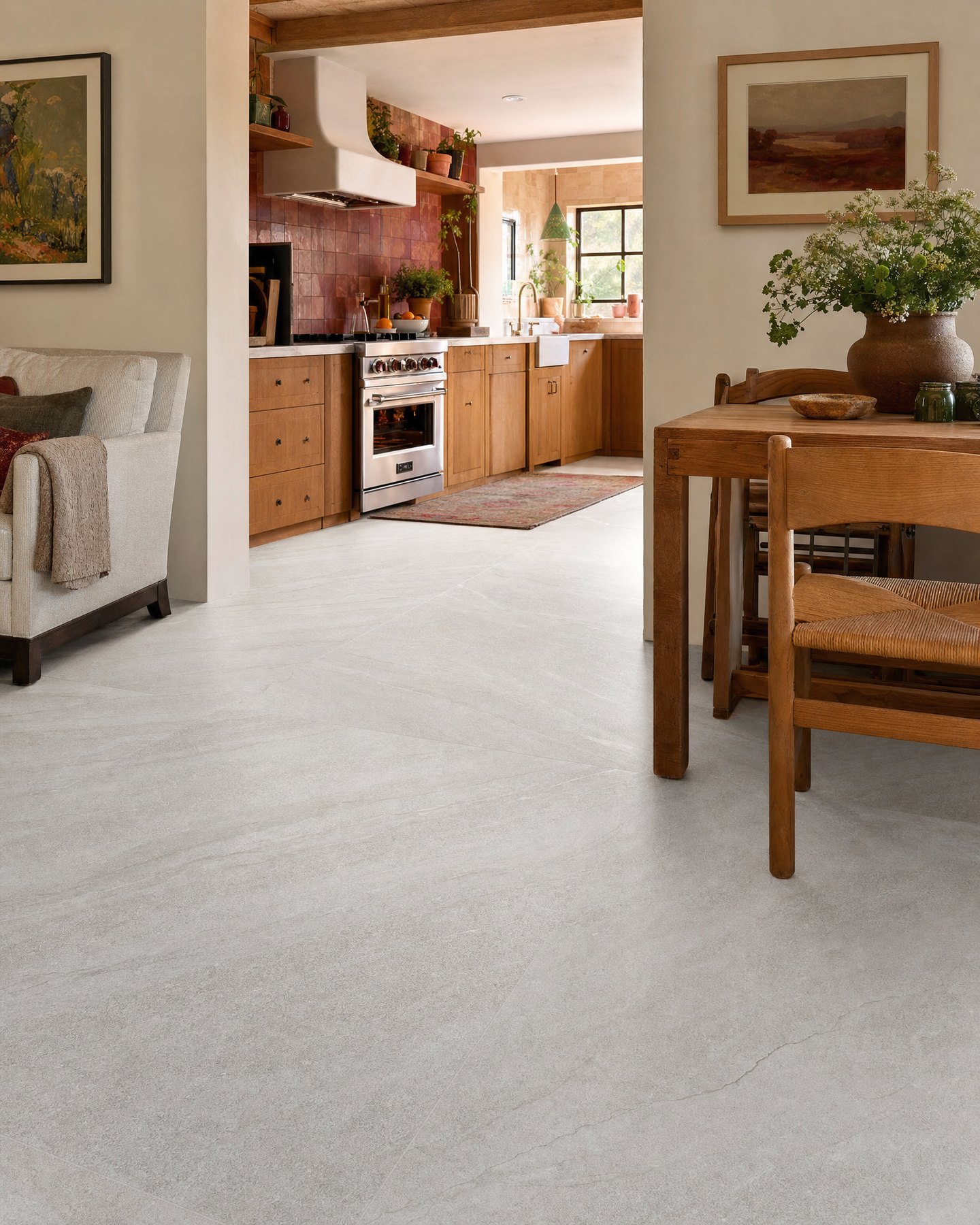
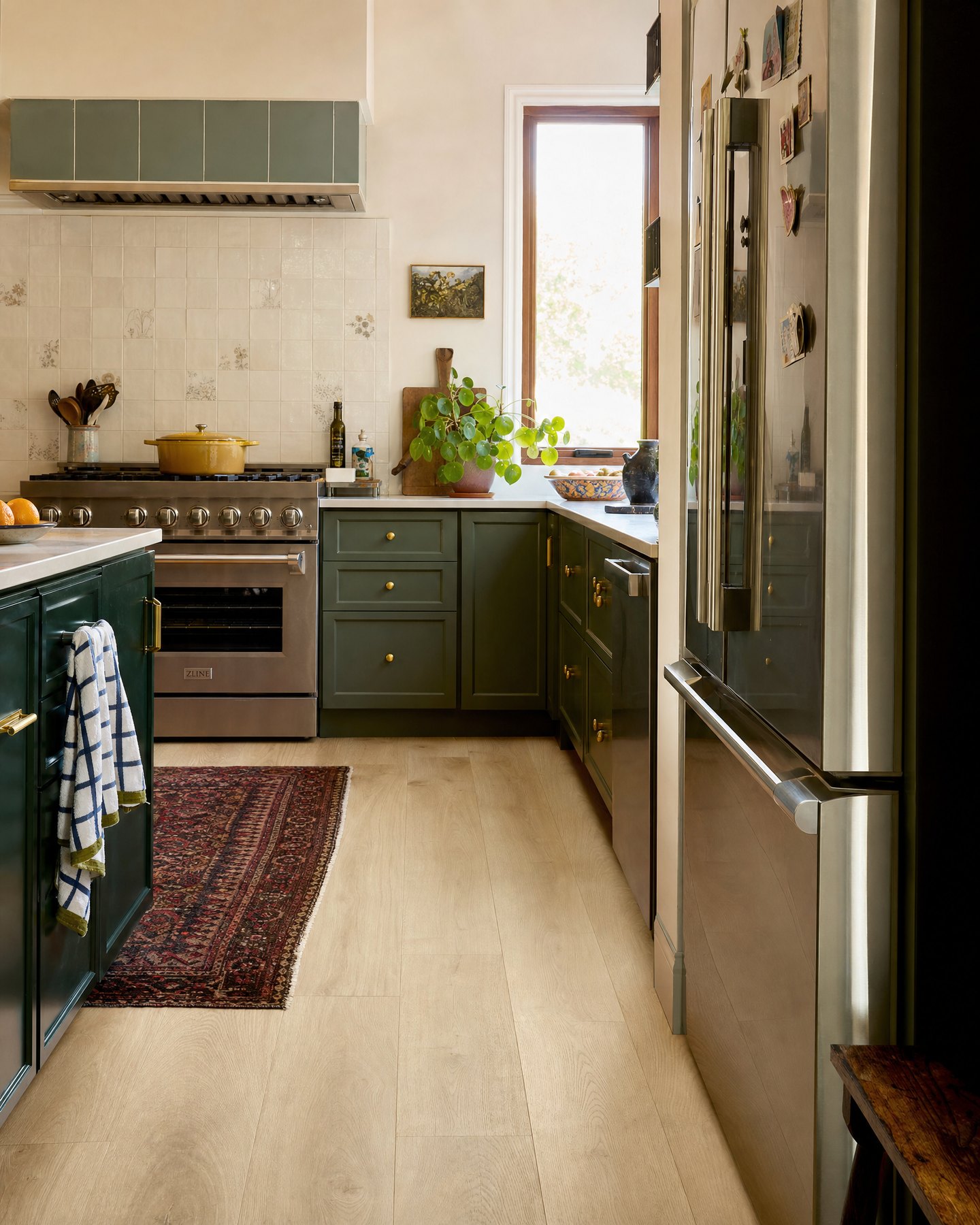
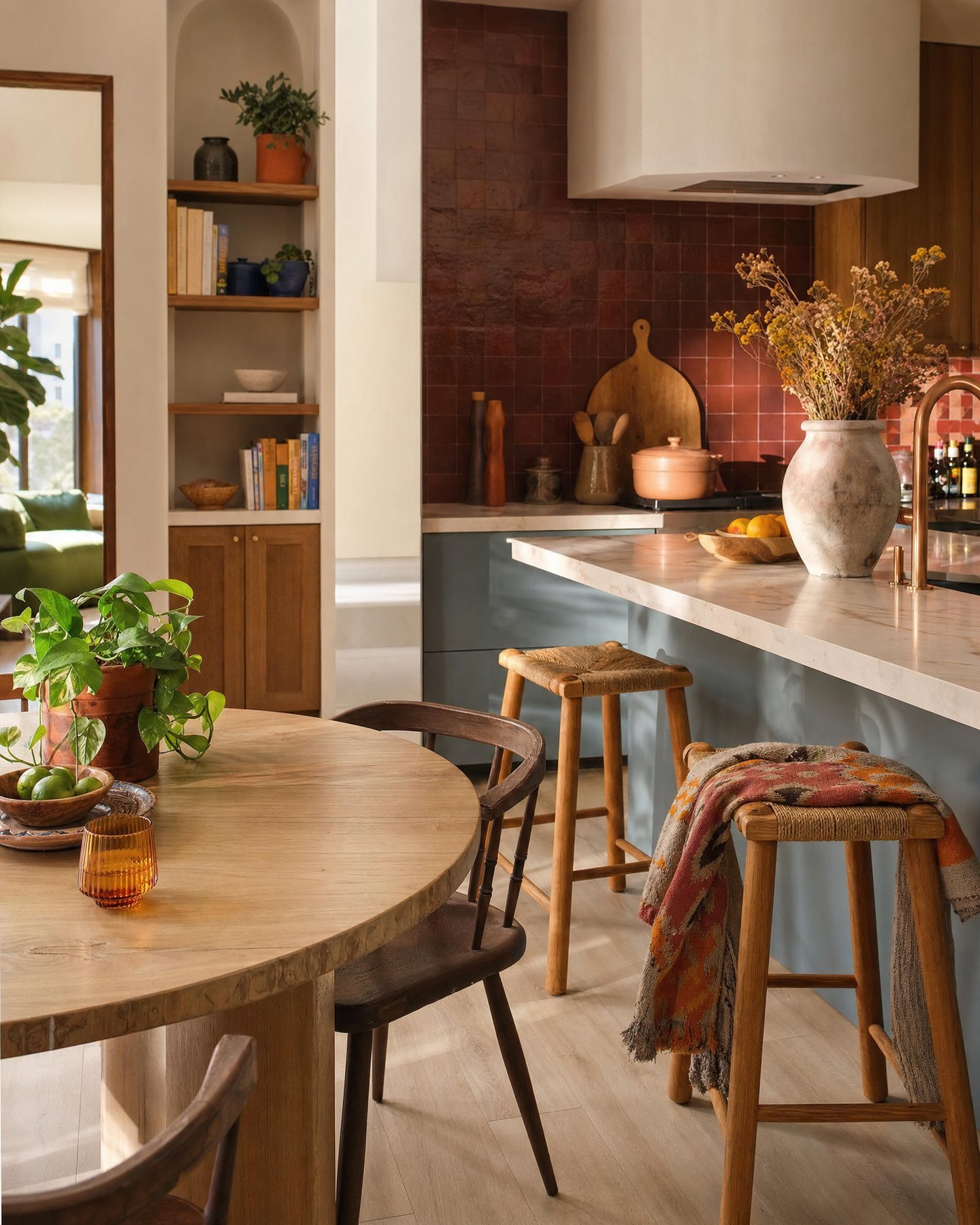
Every product page here shows the faces at full width, so you can look at each one before you order. Call us if you want a physical sample to check against the room.